
Author: muneeb464646@gmail.com

  •  Imran Khan: From Cricket Star to Pakistan’s Leader

     Imran Khan: From Cricket Star to Pakistan’s Leader

    Introduction
    Imran Khan, the former Prime Minister of Pakistan, is a name that resonates with millions around the world. Known for his charismatic leadership, unwavering determination, and commitment to justice, Khan has left an indelible mark on Pakistan’s political landscape. In this blog, we delve into the life, achievements, and vision of Imran Khan, exploring how his leadership continues to inspire hope and change in Pakistan.

    Early Life and Cricket Career
    Imran Khan was born on October 5, 1952, in Lahore, Pakistan. He rose to fame as one of the world’s greatest cricketers, leading Pakistan to its first and only Cricket World Cup victory in 1992. His cricketing career not only brought him international acclaim but also instilled in him the values of discipline, teamwork, and perseverance, which would later define his political journey.

    Transition to Politics
    After retiring from cricket, Imran Khan shifted his focus to philanthropy and politics. He founded the Shaukat Khanum Memorial Cancer Hospital & Research Centre in 1994, a testament to his commitment to serving humanity. In 1996, he established the Pakistan Tehreek-e-Insaf (PTI) party, aiming to create a corruption-free and just society. Despite facing numerous challenges, Khan’s relentless efforts eventually led PTI to victory in the 2018 general elections.

    Achievements as Prime Minister
    During his tenure as Prime Minister (2018-2022), Imran Khan implemented several reforms aimed at improving Pakistan’s economy, education system, and healthcare. His government launched initiatives like the Ehsaas Program, which provided financial assistance to millions of underprivileged families. Khan also focused on environmental conservation, planting billions of trees under the Billion Tree Tsunami project.

    Challenges and Resilience
    Imran Khan’s leadership was not without challenges. He faced intense political opposition, economic crises, and global pressures. However, his resilience and ability to connect with the masses kept him a popular figure. His ousting from office in April 2022 through a no-confidence motion only strengthened his resolve to fight for what he calls “true democracy.”

    Imran Khan’s Vision for Pakistan
    Imran Khan envisions a Pakistan that is self-reliant, corruption-free, and governed by the rule of law. He advocates for a welfare state inspired by the principles of Riyasat-e-Madina (the State of Medina), emphasizing justice, equality, and compassion. His vision continues to inspire millions of Pakistanis who believe in his mission to transform the country.

    Conclusion
    Imran Khan’s journey from a cricket legend to a transformative political leader is a story of passion, perseverance, and purpose. His unwavering commitment to justice and reform has made him a beacon of hope for Pakistan’s future. As the nation navigates its challenges, Khan’s vision and leadership remain a guiding light for millions.

  • Say No to Illegal Migration: A Growing Concern

    Say No to Illegal Migration: A Growing Concern

    Illegal migration has become a pressing issue worldwide, and Pakistan is no exception. With increasing economic challenges and limited opportunities, many people are tempted to take dangerous and illegal routes in search of a better life abroad. However, this path comes with severe risks and consequences that can jeopardize lives and futures.

    The Dangers of Illegal Migration

    Illegal migration often involves human smuggling and dangerous travel routes. Many migrants face:

    • Life-Threatening Journeys: Unregulated and unsafe travel conditions, such as overcrowded boats and hidden truck compartments, put lives at serious risk.
    • Exploitation and Abuse: Many illegal migrants fall victim to human traffickers who exploit them for forced labor or other criminal activities.
    • Legal Consequences: Illegal immigrants often face deportation, detention, or even lifetime bans from entering certain countries.
    • Financial Loss: Families sell their assets to fund these illegal journeys, only to face deportation or other hardships.

    Reasons Behind Illegal Migration

    Many factors contribute to illegal migration, including:

    • Unemployment and Economic Hardships: A lack of job opportunities pushes people to seek work abroad.
    • False Promises by Agents: Human traffickers lure individuals with fake promises of high-paying jobs and better living conditions.
    • Lack of Awareness: Many people are unaware of legal migration options and the risks associated with illegal migration.

    The Role of Government and Society

    To combat illegal migration, both the government and society must take proactive steps:

    • Awareness Campaigns: Educating people about the dangers and legal consequences of illegal migration.
    • Strict Action Against Human Traffickers: Governments need to enforce strict laws against human traffickers and illegal immigration facilitators.
    • Creating Employment Opportunities: Improving the economy and providing job opportunities can reduce the desire for illegal migration.
    • Encouraging Legal Migration: Governments should offer legal migration pathways, ensuring safety and security for migrants.

    Conclusion

    Illegal migration is not a solution; it is a dangerous gamble with life and future. Instead of risking everything, individuals should explore legal avenues for migration and focus on opportunities available within their own country. Governments, society, and individuals must work together to put an end to illegal migration and its devastating consequences.

    Say No to Illegal Migration. Choose Safety, Choose Legality.

  • The Rise of Islamic Finance in Pakistan: Meezan Bank Leading the Way

    The Rise of Islamic Finance in Pakistan: Meezan Bank Leading the Way

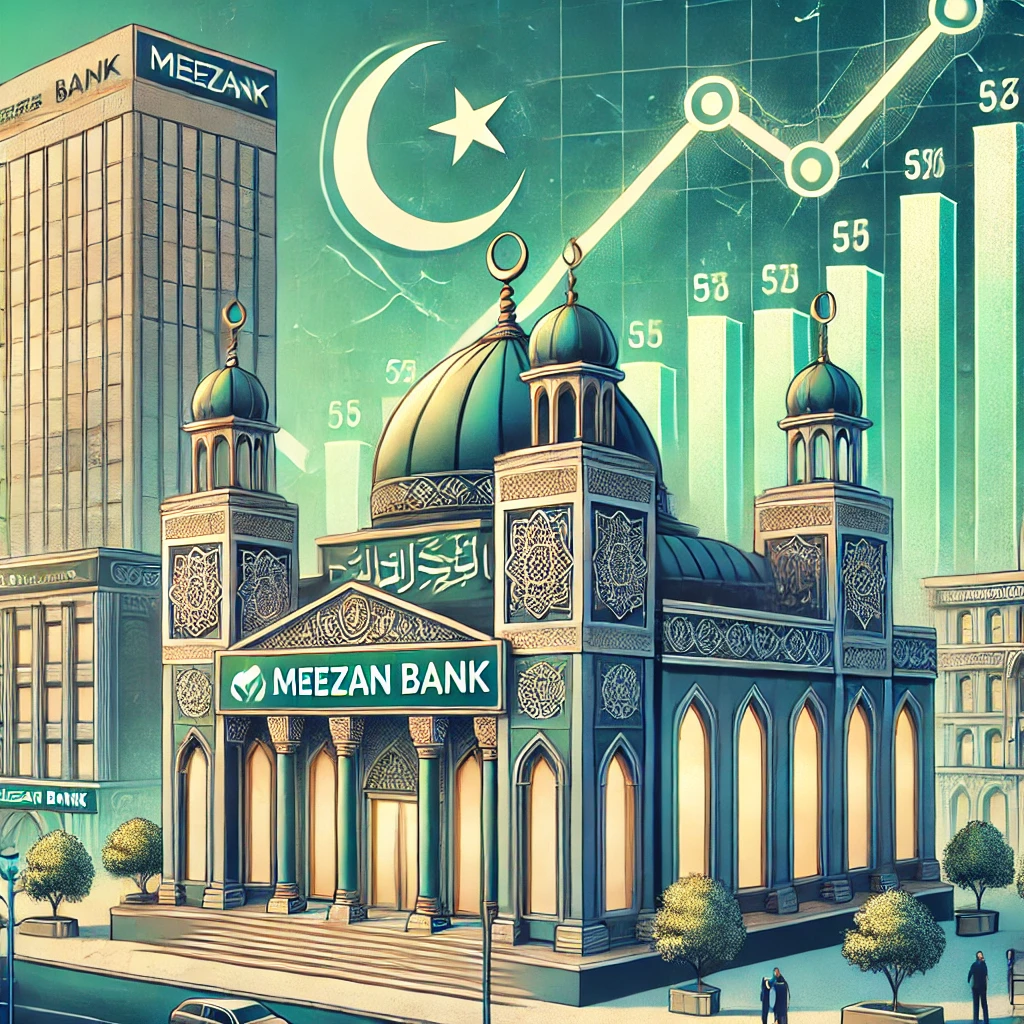
    In recent years, Pakistan has witnessed a significant shift in its financial landscape, with Islamic finance emerging as a dominant force. At the forefront of this movement is Meezan Bank, which has become the country’s most valuable lender. This surge is attributed to increasing consumer demand for sharia-compliant financial products and prevailing high interest rates.

    In the previous fiscal year, Meezan Bank reported record after-tax profits of Rs84.5 billion ($305 million), marking an 88% increase from the prior year. This impressive growth was bolstered by investments in government sukuks. In the first nine months of the current year, the bank’s profits rose by 34% to Rs78.8 billion, and its shares have appreciated by approximately 80%, reaching a market capitalization of $1.5 billion.

    ft.com

    The Pakistani government has set an ambitious target to transition to a fully Islamic banking system by 2027, following a 2022 federal sharia court ruling. While some experts express skepticism about meeting this deadline, the momentum behind Islamic banking is undeniable.

    Meezan Bank’s success can be attributed to its strategic focus on addressing the unmet needs of Pakistan’s predominantly Muslim population. By offering sharia-compliant financial products, the bank has tapped into a growing market segment seeking ethical and religiously aligned banking solutions.

    However, the bank’s substantial profit margins have drawn attention, leading to calls for regulatory measures to ensure a level playing field with conventional banks. Despite potential challenges, Meezan Bank remains confident in its mission and strategic direction.

    The rise of Islamic finance in Pakistan reflects a broader global trend, as more consumers seek financial services that align with their ethical and religious beliefs. As the industry continues to evolve, institutions like Meezan Bank are poised to play a pivotal role in shaping the future of banking in the region.

  • The Rise of AI-Powered Tools in 2025: Transforming Industries and Everyday Life

    The Rise of AI-Powered Tools in 2025: Transforming Industries and Everyday Life

    Artificial Intelligence (AI) continues to revolutionize the way we work, live, and interact. In 2025, the adoption of AI-powered tools has reached unprecedented levels, impacting industries from healthcare to entertainment. Here’s an in-depth look at this trend and how you can leverage it for personal and professional growth.

    The rapid advancements in machine learning and natural language processing have made AI tools more accessible and efficient. Businesses and individuals are using these tools to save time, increase productivity, and enhance creativity. Some key reasons for their popularity include:

    1. Cost-Effectiveness: AI tools automate repetitive tasks, reducing the need for manual labor.
    2. User-Friendly Interfaces: Many tools now require no technical expertise, making them ideal for beginners.
    3. Personalization: AI adapts to user preferences, offering tailored solutions.

    Top AI-Powered Tools You Should Know About

    Here are some of the most popular AI tools making waves in 2025:

    1. ChatGPT Pro 5.0:
      • Advanced conversational AI for content creation, customer support, and brainstorming ideas.
      • Features real-time collaboration and multilingual support.
    2. DALL-E Studio:
      • AI for generating realistic images and artwork based on text descriptions.
      • Widely used by designers and marketers.
    3. Notion AI:
      • Enhances productivity with features like automated task management and content summaries.
    4. Synthesia:
      • A video creation tool that uses AI to generate professional-quality videos with human-like avatars.
      • Ideal for training, marketing, and educational purposes.
    5. Jasper AI:
      • A content writing assistant designed for bloggers, businesses, and marketers.
      • Excels in crafting engaging headlines, social media posts, and email campaigns.

    How to Use AI Tools Effectively

    To get the most out of AI-powered tools, follow these tips:

    1. Identify Your Needs:
      • Determine the tasks you want to automate or improve. For instance, use Jasper AI for content writing or Synthesia for video production.
    2. Invest in Training:
      • Learn the basics of each tool to maximize its features. Many platforms offer tutorials and community support.
    3. Combine Tools:
      • Use multiple tools together for seamless workflows. For example, create an image with DALL-E and incorporate it into a video using Synthesia.
    4. Stay Updated:
      • Regularly explore new features and updates to stay ahead of the curve.

    SEO Tips for Content About AI Tools

    If you’re writing about AI tools, optimizing your content for search engines is crucial. Here’s how:

    1. Keyword Research:
      • Target high-volume keywords like “Best AI tools 2025” or “How to use AI for content creation.”
    2. Engaging Headlines:
      • Use catchy and informative titles, such as “Top 5 AI Tools to Transform Your Business in 2025.”
    3. Meta Descriptions:
      • Write concise and keyword-rich meta descriptions to improve click-through rates.
    4. Internal Linking:
      • Link to other relevant content on your site to improve navigation and SEO.
    5. Visual Content:
      • Include infographics, screenshots, and videos to enhance engagement.

    The Future of AI Tools

    As AI technology evolves, we can expect even more innovative tools that blur the line between human and machine capabilities. From virtual reality integration to hyper-personalized services, the possibilities are endless.